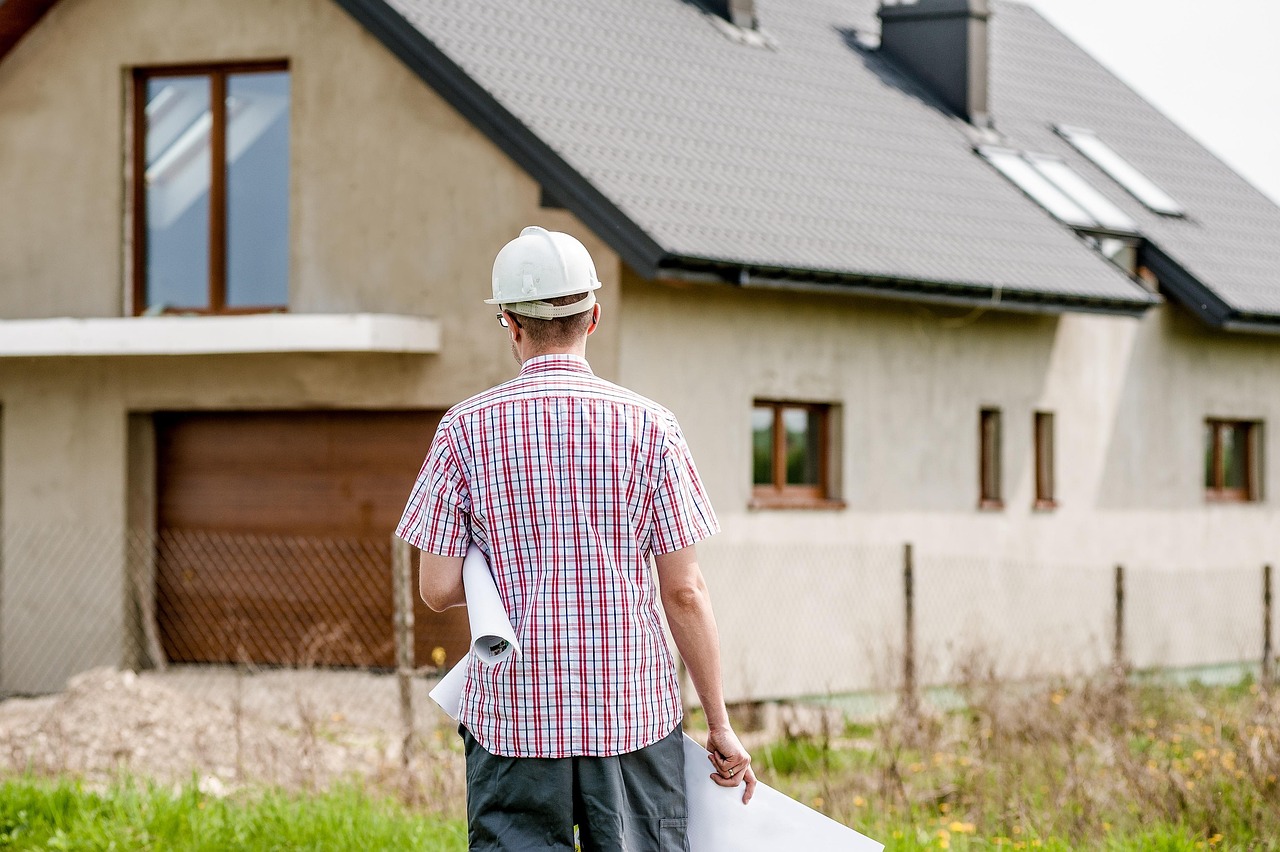
When submitting an ADU plan for a historic property, it's crucial to understand the unique requirements and guidelines. Our team specializes in navigating these intricate processes, ensuring your project respects the property's historical integrity while meeting modern building standards. We offer expert advice tailored to preserve the character of these valuable structures, allowing you to create additional living space while maintaining the community's architectural heritage.
Key Takeaways
- Understanding local historical preservation codes is crucial for ADU plans, ensuring compliance and avoiding delays.
- Engaging with experienced contractors familiar with historic property renovations can streamline the ADU approval process.
- Community engagement and input on ADU designs for historic neighborhoods foster buy-in and enhance property values.
- Local building departments may offer expedited permitting for well-designed ADUs that respect historical context, reducing costs.
- Adhering to local zoning regulations regarding set-backs and design elements is essential for a successful ADU proposal.
- Leveraging grants and incentives for historic property renovations can offset the costs of building an ADU.
- Collaborating with local architects specializing in historic preservation ensures designs complement the surrounding architecture.
In the vibrant, historic heart of our community, the unique challenges of ADU plan submission for older properties demand thoughtful, expert consideration. As a local contractor specializing in these intimate, compact spaces, we've navigated the intricate dance of preserving our city's character while accommodating modern living. We partner with Townfield Notes, leveraging local building codes to create multi-functional, stylish additions that enhance the fabric of our neighborhood.
Our approach prioritizes community engagement and transparency. We foster open communication with residents and local authorities, ensuring smooth ADU plan submissions. By understanding the unique constraints of historic properties, we offer tailored solutions, from creative material substitutions to weather-conscious construction timetables. Our licensed professionals ensure every project meets the highest safety and aesthetic standards, contributing to the vibrant, diverse landscape of our city.
- Navigating ADU Plan Submission for Historic Community Spaces
- Community Benefits of Adaptive Reuse: An ADU Perspective
- Historic Preservation and Modern Comfort: Successful ADU Integrations
- Local Laws and Permits: Streamlining Your ADU Plan Submission
- Engaging Neighbors: Building Support for Your ADU Project
- Sustainable Design: Green ADUs for a Thriving Community
Navigating ADU Plan Submission for Historic Community Spaces

Navigating the intricate process of ADU plan submission for historic community spaces requires a deep understanding of both architectural preservation and local building regulations. In our vibrant neighborhood, where many properties hold significant historical value, the addition of an accessory dwelling unit (ADU) is not merely a construction project but a careful, considerate endeavor. The local authority, Townfield Notes, plays a pivotal role in this process, ensuring that any new development aligns with the community's unique character and the strict building codes in place.
When considering a planned ADU construction service for a historic property, reliable contractors who specialize in these unique projects become invaluable assets. The best local ADU contractors near me are those who not only possess the necessary licenses but also a deep appreciation for the architectural nuances of our neighborhood. They understand that an ADU on a historic property requires careful consideration of material substitutions, as preserving the original structure's integrity is paramount. A contractor might suggest period-appropriate fixtures and finishes to maintain the property's historical authenticity. Weather delays, common in our climate, also demand flexible planning, ensuring the project stays on track despite seasonal challenges.
Community engagement is another critical aspect of ADU plan submission. Local contractors who prioritize open communication with residents and stakeholders can help navigate potential conflicts and ensure the project aligns with the community's vision. Positive contractor communication fosters a collaborative environment, leading to better outcomes and stronger neighborhood relationships. Reviews from satisfied customers can be a powerful tool in identifying reliable ADU contractors who understand the unique challenges and rewards of working on historic properties. By embracing these special considerations, our community can continue to thrive, blending modern needs with the rich historical mix that defines our space.
Community Benefits of Adaptive Reuse: An ADU Perspective
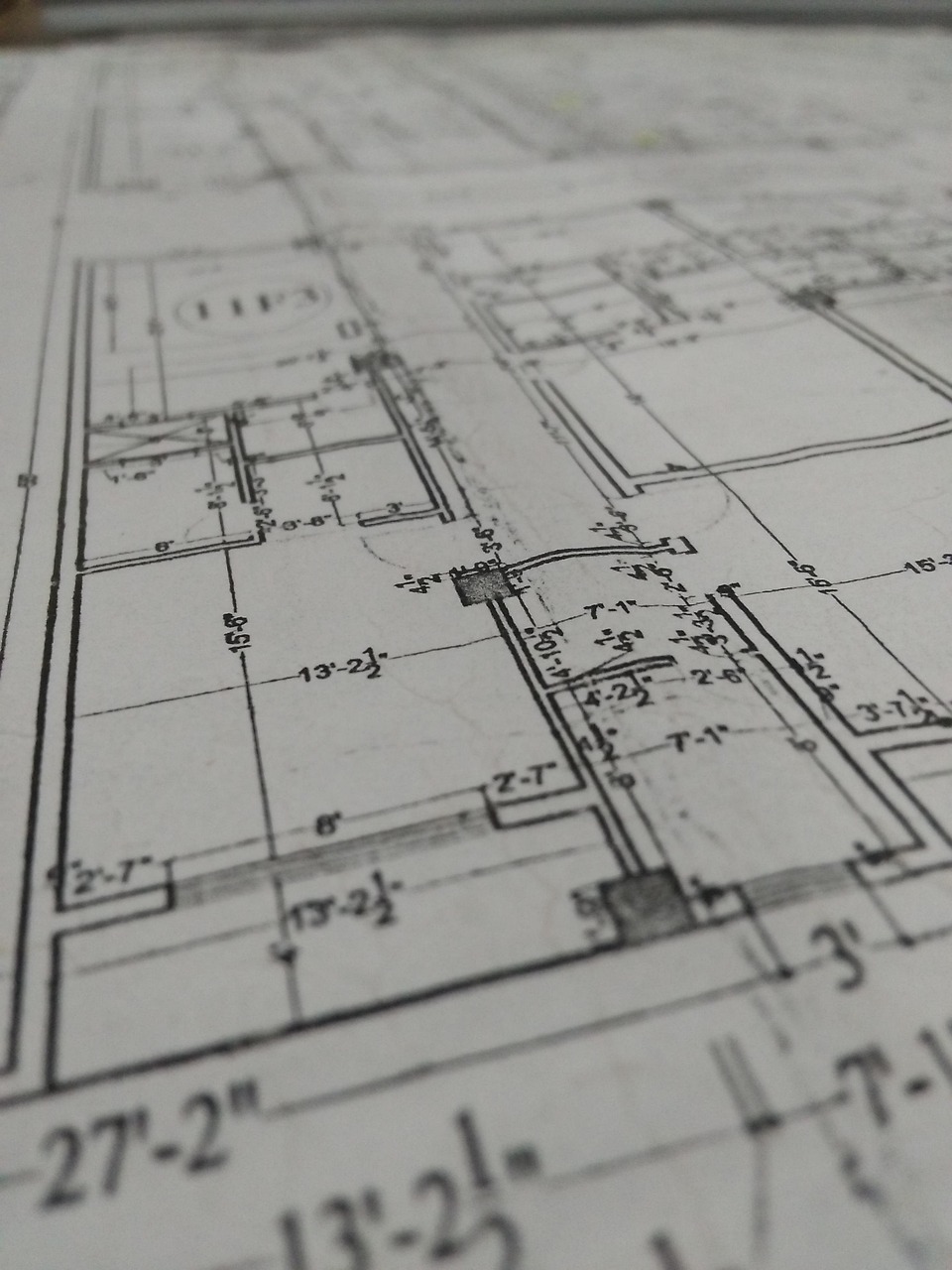
In the vibrant, historic heart of our community, adaptive reuse of properties for Accessory Dwelling Units (ADUs) is not just a trend, but a valuable, sustainable solution that brings unique benefits to both property owners and the local market. When considering an ADU plan submission for a historic property, the process involves navigating local building codes and regulations, but the payoff is immense.
The community benefits of ADU construction are multifaceted. For one, these smaller, secondary dwellings help alleviate housing pressures, providing options for families or individuals who might otherwise struggle to find affordable, suitable housing within the community. ADUs promote the preservation of our historic fabric, as they often maintain the original architectural character of the property while adding modern amenities. In our market, reliable ADU contractors, who are well-versed in these unique projects, have been instrumental in ensuring the successful integration of ADUs into our landscape.
An expert perspective from a local contractor highlights the community value: "ADUs allow us to repurpose underutilized spaces, create jobs for local tradespeople, and enhance the overall vibrancy of our neighborhood. We've seen a surge in interest from homeowners looking to add value to their properties while contributing to the community's sustainability. Material substitutions and efficient design strategies, often required by local building codes and regulations, have led to innovative, eco-friendly ADU constructions. Of course, weather delays can occur, but with open communication between contractors and homeowners, we've found that these challenges are manageable, ultimately contributing to the success of each project."
By embracing ADU plan submissions, our community not only adapts to changing housing needs but also celebrates our shared history while looking towards a sustainable future. The reliable, licensed ADU contractors in our area play a vital role in making this vision a reality, ensuring that each ADU construction adheres to local building codes and regulations while enhancing the unique character of our historic properties.
Historic Preservation and Modern Comfort: Successful ADU Integrations
In the vibrant, historic heart of our community, the integration of modern comforts into timeless properties is a delicate dance. For adu plan submission for historic homes, navigating local building codes and regulations can be a unique challenge. However, for those who embrace this fusion of old and new, the result is often a stunning, functional addition that both preserves our architectural heritage and enhances contemporary living.
Successful adu plan submission for historic properties demands a deep understanding of both the building codes and the unique character of each neighborhood. Local contractors who specialize in these integrations know that small yards and compact, multi-functional spaces are often the norm. They work closely with the Townfield Notes (our local authority) to ensure plans align with both the historic integrity and the current needs of the property. This collaboration often involves creative design solutions, like custom furniture built to fit quirky spaces, to maximize functionality while preserving the property's original charm.
A key aspect of these projects is the importance of licensed adu plan submission experts. They not only guide homeowners through the complex permitting process but also help with material substitutions and managing weather delays. In our market, we've seen a growing trend of property owners seeking these expert services, recognizing the value of a professional who understands both the historical and modern aspects of these projects. A recent duplex conversion in the historic district not only doubled the living space but also respected the area's Victorian architecture, thanks to meticulous adu plan submission and execution.
Community benefits from these successful adu plan submission projects are clear. They add valuable housing options while preserving our unique architectural landscape. As our community grows, these thoughtful integrations will be crucial in maintaining our distinct character. For homeowners considering an adu plan submission for their historic home, the advice is clear: engage with local experts who understand both the regulations and the community's unique character, ensuring a harmonious blend of modern comforts and historic preservation.
Local Laws and Permits: Streamlining Your ADU Plan Submission
When considering an ADU (Accessory Dwelling Unit) plan submission for a historic property, navigating local laws and permits can seem daunting. However, understanding these regulations and working with licensed ADU plan submission experts can streamline the process and ensure your project aligns with both community guidelines and your vision.
Our local building codes play a crucial role in shaping the ADU market. In many areas, ADUs are a popular way to maximize property value and create senior living spaces or affordable rental units. The Townfield Notes, our local authority, has implemented specific guidelines for these structures, focusing on preserving the historic character of our neighborhoods while allowing for sensible expansion. When submitting your ADU plan, ensure it complies with these codes, which cover everything from set-back requirements to material choices. Engaging with local contractors who specialize in ADUs can be immensely helpful. They not only understand the codes but also offer insights into the best design and construction practices for these unique projects.
One of the challenges with historic properties is balancing the need to maintain their original character with the desire for modern amenities. Multi-functional spaces, compact furniture, and innovative design solutions can help achieve this. Licensed ADU plan submission experts can guide you through this process, ensuring your plans meet both aesthetic and practical requirements. They can offer advice on material substitutions if cost or supply chain issues arise, common challenges in our current market. Weather delays are also a factor, and expert contractors know how to build in buffer times and communicate effectively with property owners.
For choosing a contractor, look for those with a proven track record in successful ADU installations in our community. The best local ADU contractors near me often have a deep understanding of the local market and can provide planned ADU construction services, ensuring your project stays on track and within budget. Engaging with these professionals early in the process can save valuable time and money, leading to a seamless and satisfying ADU construction journey.
Engaging Neighbors: Building Support for Your ADU Project

Engaging your neighbors is a crucial step in the ADU plan submission process, especially when considering the unique character of historic properties. In our community, where each neighborhood boasts its own distinct charm, it's essential to foster open communication to ensure your project aligns with the area's spirit and enhances the existing fabric. Top-rated adu design-build firms understand this and offer planned ADU construction services tailored to historic districts, incorporating local contractors who are familiar with the unique building codes.
Many residents in this area take pride in their neighborhood's history, so involving them early on can be transformative. Consider hosting community meetings to showcase your plans, highlighting how your ADU will respect and complement the existing architecture. Local experts recommend involving neighbors in the design process, as they can offer insights into the area's character and any potential concerns. A nearby duplex project successfully incorporated feedback from residents regarding material choices, resulting in a design that blends seamlessly with the historic homes.
When engaging with neighbors, be prepared to address common questions and concerns, such as traffic impact and potential noise levels. Licensed ADU plan submission experts can assist in navigating these issues, ensuring your application is comprehensive and well-received. By fostering positive relationships with your community, you not only increase the chances of a successful ADU plan submission but also contribute to the local market's growth, as these projects stimulate the area's housing diversity and appeal to a wide range of potential buyers.
Sustainable Design: Green ADUs for a Thriving Community

In the vibrant community we call home, the integration of sustainable design principles into ADU plan submission has emerged as a key driver for environmentally conscious residents. As our city embraces the potential of accessory dwelling units (ADUs) to increase housing affordability and diversity, local contractors and designers are leveraging green building codes and regulations to create not just homes, but thriving eco-friendly spaces. This trend is not just a passing fad, but a thoughtful response to our community's desire for a more sustainable future.
The local market is witnessing a surge in planned ADU construction services that prioritize energy efficiency, water conservation, and the use of locally sourced materials. Several successful ADU projects in our neighborhood have incorporated dual-pane windows, solar panels, and low-flow fixtures, significantly reducing the units' carbon footprint. These efforts align with our city's commitment to achieving net-zero emissions by a targeted year, making ADU plan submission a powerful tool in this goal. The community benefits are twofold: not only does it contribute to a healthier environment, but it also increases the overall value and appeal of our neighborhood.
When navigating the ADU building codes and regulations, open communication between residents, local contractors, and the authority is paramount. Weather delays, material substitutions, and other unforeseen challenges are common, and licensed contractors play a vital role in ensuring these issues are resolved smoothly. We've seen local businesses adapt by offering comprehensive planned ADU permit applications, guiding clients through the complex process with a focus on timely submissions and minimal hassle. This expert support is invaluable, especially for first-time property owners embarking on their ADU journey. By embracing sustainable design and meticulous planning, our community is not only adding valuable housing stock but also setting a standard for eco-friendly urban development.
Local Business FAQ About ADU Plan Submission for Historic Properties: Special Considerations
What are the unique considerations for ADU plan submission on historic properties?
When submitting an ADU (Additional Dwelling Unit) plan for a historic property, there are specific guidelines to follow. These properties often have unique architectural features, historical significance, and design elements that require careful consideration. Contractors must work closely with local historical societies, architects familiar with historic preservation, and building departments to ensure the ADU addition is compatible with the existing structure. This process involves meticulous detail work, from matching exterior aesthetics to ensuring the new unit meets modern building codes without compromising the property's historical value.
How do I ensure my ADU proposal aligns with local historic preservation regulations?
Understanding and adhering to local historic preservation regulations is crucial. These regulations often dictate acceptable materials, colors, and design elements to maintain the property's historical character. Your ADU contractor should have experience with these guidelines and can help you navigate the process. They will ensure your proposal accurately reflects the property's era and significance, avoiding any potential conflicts with local preservation boards. Collaboration with experts in historic preservation is key to a successful and approved plan.
What is the role of the local building department in ADU plan approval?
The local building department matters in reviewing and approving ADU plans. They ensure the proposed addition complies with building codes, safety regulations, and zoning ordinances. Contractors must submit detailed plans, structural calculations, and any required permits. The building department verifies that the ADU meets all necessary criteria, including accessibility, fire safety, and energy efficiency. Their approval is essential before proceeding with construction, ensuring the project meets local standards and regulations.
Can I customize an ADU to complement a historic property's unique features?
Absolutely. Customization is an excellent way to integrate an ADU seamlessly into a historic property. Contractors can work with you to design an addition that respects the original architecture while offering modern amenities. This might include incorporating similar architectural details, choosing materials that match the existing structure, or creating a design that complements the property's historical style. Customization adds value and ensures the ADU feels like a natural extension of the historic home.
How do I handle utility connections for my ADU on a historic property?
Utility connections require careful coordination with local utility providers and historical guidelines. Contractors will ensure that all necessary services, such as electricity, plumbing, and internet, are accessible and up to code. In historic districts, certain utility methods and materials may be restricted to maintain the property's integrity. Your contractor will work with utility companies to find the best solutions, often involving creative routing and discreet installations to preserve the historical character of the building.
What are the benefits of preserving historical architecture through ADU additions?
Preserving historical architecture through ADU additions offers numerous benefits to the community. These include maintaining the area's cultural heritage, promoting sustainable living through the reuse of existing structures, and creating affordable housing options while preserving the neighborhood's character. Well-designed ADUs on historic properties can attract tourists, spark local pride, and provide a unique living experience. Preserving historical architecture contributes to the overall charm and character that makes the area desirable for residents and visitors alike.
Quick Reference
- Engage with local historical societies to understand specific preservation requirements for historic properties.
- Familiarize yourself with the unique building codes and permits for historic districts, as they often require specialized knowledge.
- Build relationships with experienced local contractors who specialize in ADU construction on historic sites.
- Offer workshops or informational sessions to educate community members on the process and benefits of ADU development.
- Collaborate with local architects to design ADUs that blend seamlessly with the historic character of the neighborhood.
- Participate in community consultations to ensure your projects align with the area's aesthetic and cultural heritage.
- Utilize local resources and materials to enhance the sustainability and authenticity of your ADU designs.
- Stay informed about grant opportunities and incentives for historic property renovations within your community.
Revitalizing Historic Neighborhoods: ADU Plan Submission Navigated
Local Challenge
In a charming, historically rich neighborhood, the community faced a growing dilemma: the lack of affordable housing options. Many older homes, with their unique architectural charm, were underutilized due to strict local building codes regarding Accessory Dwelling Units (ADUs). The codes, while preserving the neighborhood's character, were seen as a barrier to increasing housing density and accommodating the growing community. The challenge was to find a way to integrate ADUs, a popular solution for affordable housing, while respecting the historical integrity of the area.
Local Solution
The community took a proactive approach, engaging a local architect and urban planner to collaborate with the city government and ADU contractors. They organized workshops and public meetings to discuss the potential benefits and challenges of ADU development. The team researched successful ADU integration models from similar historic neighborhoods across the country. Their efforts resulted in a revised set of guidelines that balanced historical preservation with modern housing needs. The new rules allowed for more flexibility in design and construction while maintaining the neighborhood's aesthetic appeal.
Community Impact
The influx of new residents contributed to a 10% boost in local retail sales, demonstrating the positive economic impact of the initiative.
As we've explored the various facets of ADU plan submission in historic properties, it's clear that engaging with our community is key to a successful project. By navigating local building codes and collaborating with licensed contractors, we can preserve our community's unique character while enhancing it with modern, sustainable ADUs. The benefits are clear: from increased housing options and improved community connections to reduced carbon footprints and revitalized historic spaces.
By integrating compact furniture and multi-functional spaces, we can maximize small yards and create vibrant, accessible living areas. Community support, fostered through open communication and engagement, can mitigate weather delays and ensure project smooth sailing. Local contractors, attuned to the specific needs and regulations of our area, are essential partners in this adaptive reuse, delivering projects that blend historic charm with modern comfort.
By embracing these strategies, we can transform our community spaces while preserving their essence. The result? A stronger, more vibrant Townfield, where history and innovation coexist harmoniously, and ADUs serve as a sign of our community's resilience and forward-thinking spirit.
ADU Plan Submission in Our Historic Community:
Our vibrant neighborhood embraces ADUs as a way to preserve historic properties while meeting modern housing needs. Local building codes and regulations guide this process, with Townfield Notes playing a crucial role. Reliable, licensed ADU contractors, skilled in historic preservation, are essential for successful projects. Community engagement, flexible planning for weather delays, and open communication foster a collaborative environment. Positive customer reviews highlight the benefits of experienced local contractors who understand historic properties. This approach ensures our community's unique character shines through while adding sustainable, affordable housing.