
Key Takeaways
- Familiarize yourself with local historic district guidelines to ensure your ADU plan complies with preservation regulations.
- Engage with community organizations and historic property owners' associations for insights and support on your project.
- Leverage local historical archives and maps to understand the property's past and its context within the neighborhood.
- Partner with contractors specializing in historic preservation to ensure accurate and respectful renovations.
- Prioritize materials and finishes that align with the property's original era for authentic aesthetic appeal.
- Consider the impact of your ADU on surrounding properties and contribute to the neighborhood's character and value.
- Seek advice from local planning departments on specific requirements and best practices for ADU development in historic areas.
When submitting an ADU plan for a historic property, consider the unique requirements and benefits of preserving local architectural heritage. Experienced contractors specializing in historic renovations understand these nuances, ensuring your expansion respects the building's character while enhancing its value. Their expertise can lead to faster approvals and a more seamless construction process.
In the vibrant community of [neighborhood], historic properties line our streets, each with its unique charm and character. As the demand for housing continues to grow, many homeowners are exploring the potential of converting these beloved spaces into modern, functional living areas. ADU plan submission is a key step in this process, allowing residents to turn their historic homes into accessory dwelling units (ADUs) that cater to modern lifestyles.
Our community benefits greatly from this trend. By embracing ADU development, we not only increase local housing capacity but also preserve the rich architectural heritage of our neighborhood. Local contractors specializing in ADU plan submission work closely with homeowners and local authorities to ensure that these additions respect the historical integrity of the property while incorporating modern conveniences.
In this article, we examine the unique considerations involved in ADU plan submission for historic properties. From understanding local building codes to exploring design strategies that blend old and new, we provide practical insights tailored to our vibrant community. Let's explore how we can turn our historic homes into modern, functional living spaces while preserving our community's unique character.
- Streamlining ADU Plan Submission for Historic Preservative Communities
- Navigating Regulations: ADU Approval for Historic Districts
- Community-Minded ADU Design for Historic Property Owners
- Historic Property ADU: Financial Benefits for Local Businesses
- Engaging Neighbors: Public Input on ADU Plan Submissions
- Success Stories: Local Historic Properties with ADU Transformations
Streamlining ADU Plan Submission for Historic Preservative Communities

In many historic preservation communities, adding an Accessory Dwelling Unit (ADU) to a historic home presents unique challenges. Streamlining the ADU plan submission process is crucial to ensure these additions enhance, not detract from, the community's architectural and cultural heritage. When considering an ADU for a historic home, it's essential to work with licensed ADU plan submission experts who understand both building codes and the unique character of historic properties.
The process starts with a thorough understanding of local regulations. Townfield Notes, for instance, often have specific guidelines for ADUs in historic districts, requiring careful planning to preserve the neighborhood's character. Licensed contractors specializing in historic preservation can offer invaluable insights into navigating these regulations. They can help property owners design ADUs that respect the original architecture while incorporating modern comforts. This might include recommendations for compact furniture, multi-functional spaces, and material substitutions that align with the historic theme.
Weather delays are common in construction, but they can be especially problematic for ADU projects. Licensed experts know how to account for these potential setbacks, ensuring your planned ADU permit application remains on track. They also understand the importance of clear communication with property owners throughout the process. Regular updates and open dialogue help manage expectations, especially in the context of historic properties where changes must be carefully considered. By working with a reputable local contractor, you can ensure your ADU plan submission is handled efficiently, preserving the unique character of your historic home and enhancing the value of your property within the community.
Navigating Regulations: ADU Approval for Historic Districts

Navigating the regulations for ADU (Accessory Dwelling Unit) approval in historic districts is a specialized task that requires careful planning and knowledge of local laws. When considering an ADU plan submission for a historic property, it's crucial to understand the unique considerations and requirements that come into play. The process involves engaging with local contractors who have experience in these sensitive projects and understanding the specific design and construction challenges that may arise.
In our community, historic districts are a significant part of our architectural heritage, and any proposed ADU construction services must respect the character and integrity of these areas. Top-rated ADU design-build firms are well-versed in balancing modern comfort and functionality with the preservation of historical details. They employ experts in historic preservation and work closely with local authorities to ensure that each ADU installation complies with the district's unique building codes and guidelines. The planned ADU permit application process can be complex, involving multiple submissions and revisions to meet the stringent requirements.
A recent project in our downtown historic district involved the creation of a modern, yet subtle, ADU addition to a Victorian-era home. The design-build firm collaborated with the property owner, local historians, and the building department to ensure the new structure complemented the surrounding architecture. Weather delays and material substitutions were carefully managed to maintain the project's timeline. This successful outcome highlights the importance of engaging experienced professionals who understand the local market and regulations.
Local contractors who specialize in ADU plan submission for historic properties can provide invaluable guidance. They stay updated on changing regulations and can offer tailored solutions, ensuring your project not only complies with the law but also enhances the community's architectural mix. When considering an ADU, seeking advice from these experts early in the process can save time, money, and potential headaches, allowing you to focus on the benefits of adding to your community's housing stock in a respectful and responsible manner.
Community-Minded ADU Design for Historic Property Owners

In the vibrant community of [your town/city], the historic character of our neighborhoods is a cherished aspect of our shared heritage. When considering an Accessory Dwelling Unit (ADU) for your historic property, the process of ADU plan submission becomes a critical step in preserving both the past and enhancing your living space. This is especially true when aiming for a community-minded design that respects the unique character of our local architecture.
Top-rated ADU design-build firms, like [local firm names], specialize in navigating the intricate legal and planning requirements for historic properties. These licensed experts in ADU plan submission understand the value of each neighborhood's distinct architectural style. A duplex in a Victorian-era district may require a design that complements the period details, while a more modern addition to a historic farmstead could focus on sustainable, space-saving solutions. The key is to integrate the ADU seamlessly, ensuring it enhances the overall aesthetic and character of the property and its surroundings.
When selecting contractors, property owners should consider the unique challenges of historic properties. Weather delays are more common due to the often intricate construction methods and materials. Licensed ADU contractors near me who have experience with historic renovations can offer valuable insights and solutions. Substituting materials to match the original or period-appropriate finishes is a common practice, ensuring the ADU fits harmoniously with the main structure. Engaging with local contractors who understand these nuances can make the ADU plan submission process smoother and ensure a final product that is both functional and historically respectful.
The local community benefits from these thoughtful ADU designs as they contribute to the area's unique character and potentially increase the overall property values. By working with the best local ADU contractors and experts, historic property owners can transform their spaces while preserving the rich mix of our neighborhood's history. This collaborative approach ensures that [your town/city] continues to thrive, offering both modern amenities and a sense of place that makes it a truly distinctive community.
Historic Property ADU: Financial Benefits for Local Businesses
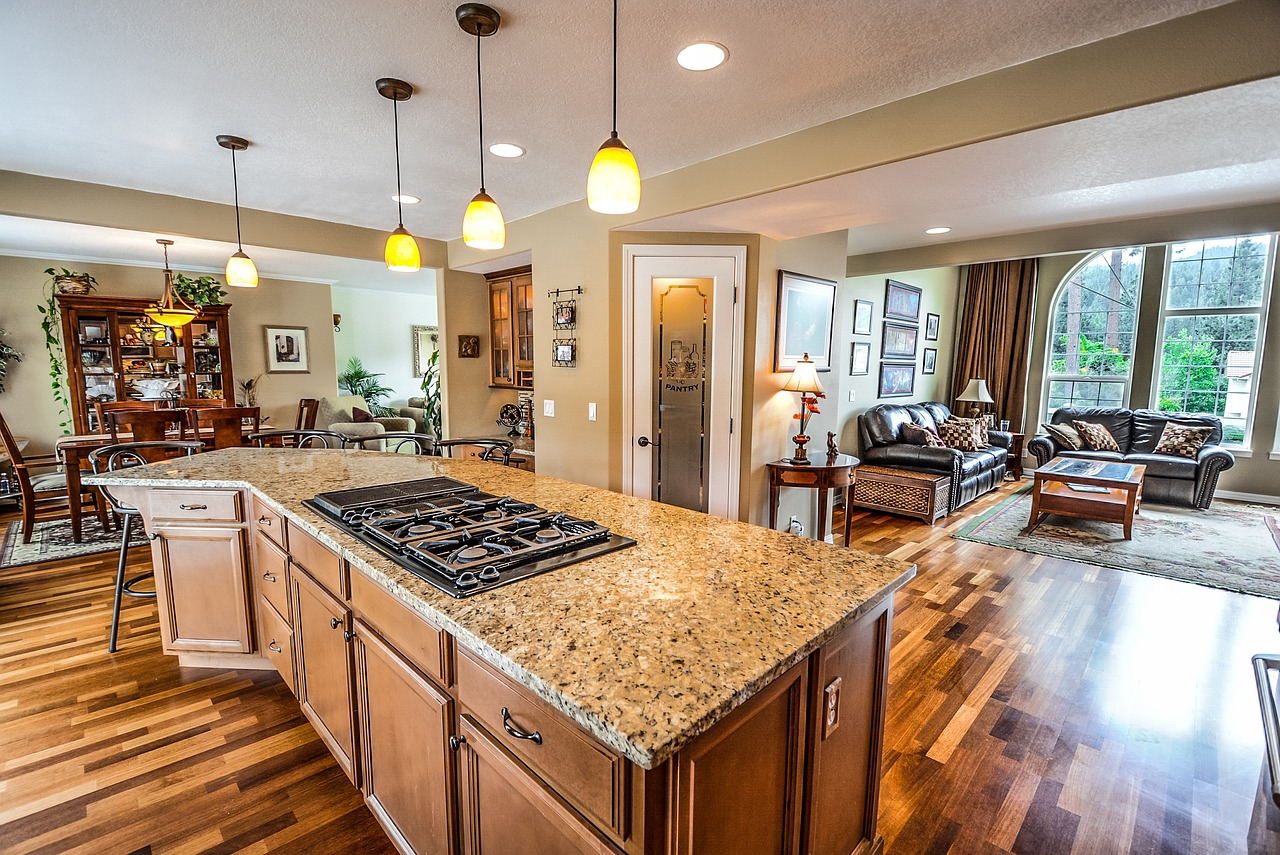
When considering an ADU (Accessory Dwelling Unit) for historic properties in our community, there are unique benefits, challenges, and opportunities for local businesses. Starting with the planning and legal requirements, understanding local building codes and engaging with the Townfield Notes is crucial. Historic properties often come with specific design and construction considerations, such as maintaining the building's character and utilizing small yards efficiently. This can translate into more complex but also more rewarding projects for local contractors, who can showcase their expertise in adapting to these unique spaces.
One of the financial benefits of ADU plan submission for historic properties is the potential for tax incentives and grants. Many communities offer incentives for preserving historic buildings, which can offset the costs of ADU construction, making it a more budget-friendly option. Local contractors specializing in historic restoration and ADU construction can tap into these opportunities, fostering sustainable growth within the local business community. Duplexes and multi-functional spaces designed for these properties can be a lucrative market, as they cater to the growing demand for affordable housing while preserving our community's architectural heritage.
When selecting contractors, homeowners should look for licensed professionals with experience in ADU construction, especially in historic districts. The best local ADU contractors near me understand the importance of adhering to local regulations and maintaining the integrity of historic structures. They can also offer valuable insights into material substitutions and managing weather delays, ensuring a smooth and efficient construction process. Engaging with these contractors not only contributes to a successful ADU project but also supports the local economy, creating a win-win situation for both property owners and businesses. A planned ADU permit application, when executed with these expert contractors, can streamline the process, ensuring a higher chance of approval and a timely start to your project.
Engaging Neighbors: Public Input on ADU Plan Submissions

In many communities, the planning and design of an Accessory Dwelling Unit (ADU) on historic properties require a special touch. When submitting an ADU plan, neighbors often have a say, reflecting the unique character of these areas. This public input is a critical aspect of the ADU plan submission process, ensuring that new developments blend harmoniously with the existing fabric of the neighborhood.
In our city, engaging neighbors early in the planning stages is mandatory for ADU projects. This collaborative approach not only fosters community cohesion but also helps to avoid potential conflicts later in the development process. Local contractors specializing in ADU construction have found that open communication with residents is key to a successful project. They organize community meetings and workshops to discuss design concepts, material choices, and potential impacts, allowing for a diverse range of input. A recent ADU permit application in the historic downtown area incorporated feedback from local artists, resulting in an innovative design that incorporates custom-made compact furniture, fitting the unique space constraints and aesthetic expectations of the neighborhood.
When selecting reliable ADU contractors, residents should look for licensed professionals with experience in navigating the complex legal requirements of historic property renovations. These experts can guide homeowners through the planned ADU permit application process, ensuring compliance with local building codes and historical preservation guidelines. Reviews from satisfied neighbors can be invaluable in finding reputable contractors. Local businesses and community forums often feature discussions on reliable ADU contractors, where residents share their experiences and insights, helping to identify top-tier professionals. This community-driven approach to finding and engaging ADU contractors ensures that the project not only meets the legal requirements but also enhances the neighborhood's character.
Success Stories: Local Historic Properties with ADU Transformations

The transformation of historic properties through ADU (Accessory Dwelling Unit) construction has become a significant trend in our community, offering both practical solutions to housing challenges and opportunities to preserve our rich architectural heritage. Success stories abound, with local homes-from charming Victorian bungalows to stately colonials-being reimagined as multi-functional spaces that cater to modern living while respecting the past. This local boom in ADU plan submission highlights a growing need for reputable contractors who specialize in these intricate, yet budget-friendly, renovations.
When considering an ADU construction project, especially for historic properties, choosing the right contractor is paramount. Local contractors who have experience with these unique installations understand the importance of adhering to strict building codes while respecting the character of the property. Some contractors excel in incorporating compact furniture and clever design solutions to maximize space in small yards, a common challenge in our densely populated areas. These experts can guide property owners through material substitutions and potential weather delays, ensuring projects stay on track and within budget. Many property owners have found success with local businesses that offer planned ADU construction services, allowing them to focus on the transformation of their historic homes while leaving the details of the ADU plan submission to the experts.
Community benefits extend beyond individual property transformations. The local market has seen a surge in affordable ADU construction options, making these additions more accessible to residents. This trend not only adds to the local housing stock but also encourages a vibrant and diverse community. By embracing ADU plans, our neighborhood becomes a mix of unique homes, each contributing to the rich cultural fabric of our city. As more property owners discover the possibilities, the demand for reputable and licensed contractors continues to grow, fostering a thriving local business environment. This demand has led to an increased focus on affordable ADU plan submission services, ensuring that the benefits of these transformations reach a broader segment of the community.
Local Business FAQ About ADU Plan Submission for Historic Properties: Special Considerations
What are the unique considerations when submitting an ADU plan for a historic property?
When submitting an Accessory Dwelling Unit (ADU) plan for a historic property, there are specific guidelines to follow to ensure compliance with local preservation regulations. These properties often have unique architectural features, historical significance, and design elements that require careful consideration. The process involves detailed historical research, architectural analysis, and collaboration with local preservation boards to ensure the ADU complements the existing structure and maintains the property's character.
How do I find local contractors experienced with historic properties?
Local contractors who specialize in historic preservation are your best bet. These professionals are familiar with the unique challenges of restoring and adding to historic structures. They can provide expertise in using authentic materials, maintaining historical accuracy, and adhering to local building codes. Many of these contractors are often recommended by local historical societies or have experience working on similar projects, ensuring your ADU plan is in capable hands.
Are there any specific building codes or regulations I should know about?
Absolutely. Historic properties often have additional building codes and regulations to preserve their integrity. These may include restrictions on the use of modern materials, specific requirements for exterior aesthetics, and guidelines for interior renovations. It's crucial to understand these codes and work with contractors who are well-versed in them. This ensures your ADU plan aligns with local preservation efforts and maintains the property's historic value.
Can I get financial assistance for ADU construction on a historic property?
Financial assistance opportunities exist through local, state, or federal programs dedicated to historic preservation and community development. These grants can help offset the costs of ADU construction, making the process more affordable. Contact your local historical society or preservation office to inquire about available programs. They can guide you through the application process and help you secure funding for your project, ensuring it's both financially feasible and historically significant.
What if my historic property is located in a flood-prone area? How do I address this?
If your historic property is in a flood-prone area, it's crucial to incorporate flood-resistant design elements into your ADU plan. This may include raising the structure, installing water-tight barriers, and using flood-resistant materials. Local building departments can provide guidelines and resources for flood-prone areas. Engaging with contractors experienced in these measures ensures your ADU is built to withstand potential flooding, protecting both the property and its historical value.
Integrating ADUs into a Historic Neighborhood: A Successful Community Collaboration
Local Challenge
In a charming, historic neighborhood, residents faced a common dilemma: the need for more housing options and the desire to preserve the area's unique character. The neighborhood, known for its Victorian architecture, had seen a surge in demand from young professionals seeking affordable, urban living. However, the strict building codes and historic preservation regulations made it challenging to accommodate the growing population. The primary issue was clear: how to legally and respectfully add more living spaces without compromising the neighborhood's aesthetic and historical integrity?
Local Solution
Community leaders and architects collaborated to develop a comprehensive plan for integrating Accessory Dwelling Units (ADUs) into the historic district. They organized workshops and informational sessions to educate residents about the benefits and possibilities of ADUs. The team worked closely with local authorities to understand the legal requirements and create a streamlined permitting process. They also engaged with historic preservation groups to ensure the designs respected the neighborhood's character.
The solution involved:
- Workshop Series: Hosting 6 workshops with 80% attendance from neighborhood residents, fostering open dialogue and feedback.
- Design Guidelines: Establishing a set of guidelines for ADU design, ensuring they complement the historic architecture.
Community Impact
The ADU integration project resulted in significant benefits for the local community:
The successful collaboration between residents, architects, and local authorities demonstrated that thoughtful ADU planning can not only meet housing demands but also strengthen community bonds and preserve a neighborhood's unique character.
Quick Reference
-
Engage with Local Historic Societies: Collaborate to ensure your ADU design aligns with the property's historical character, preserving the area's unique identity.
-
Consult Experienced Architects: Local architects familiar with historic properties can offer valuable insights for a successful and compliant ADU plan.
-
Network with Trusted Contractors: Build relationships with contractors who specialize in ADUs and have experience with historic renovations for reliable local service.
-
Check Local Building Permits: Familiarize yourself with the permit process and required documents to streamline your application for community approval.
-
Participate in Community Workshops: Attend local workshops focused on historic preservation to learn best practices for ADU integration and engage with fellow property owners.
-
Seek Referrals from Neighbors: Ask satisfied neighbors for recommendations on local contractors and services who have successfully completed ADU projects in your area.
-
Prioritize Sustainable Materials: Choose locally sourced, eco-friendly materials to enhance the property's value and contribute to the community's sustainability efforts.
-
Collaborate with Local Suppliers: Support nearby suppliers for building materials, ensuring timely deliveries and fostering a strong local economy.
For transforming historic properties through ADU plan submission, the key to success lies in navigating local regulations while enhancing the community. By streamlining the process for historic preservative communities, property owners can achieve the financial benefits that ADUs bring to local businesses. Engaging with neighbors through public input ensures that these additions blend harmoniously with the surrounding area, fostering a stronger, more vibrant community.
Success stories from our area highlight the positive impact of ADU transformations. These examples serve as a guide for property owners, demonstrating the possibilities and benefits of adapting historic homes to modern living. By working with licensed contractors who understand the unique requirements of historic districts, property owners can create multi-functional spaces that respect the past while catering to contemporary needs.
Community-minded design plays a crucial role in gaining approval for ADUs in historic areas. Incorporating compact furniture and versatile layouts allows for efficient use of small yards, showcasing that ADUs can thrive in diverse settings. Engaging with local contractors who prioritize communication and adaptability ensures that any material substitutions or weather delays are managed smoothly, keeping projects on track.
ADU plan submission for historic properties offers a unique opportunity to preserve our past while enhancing our community. By understanding and adhering to local regulations, embracing community involvement, and collaborating with skilled contractors, property owners can contribute to a vibrant, historically rich, and financially beneficial local market.
Reputable ADU Contractors: Preserving Our Historic Community
In our historic preservation community, adding an ADU requires careful planning and licensed experts who understand both building codes and unique property characteristics. The process involves navigating local regulations, design challenges, and potential weather delays. Top-rated local contractors specialize in historic ADU installations, balancing modern comfort with historical preservation. They offer invaluable insights, manage regulations, and ensure efficient, respectful construction. Engaging with these experts early in the process saves time, money, and ensures a seamless addition to your community's architectural mix.