
Key Takeaways
Local building codes and permits vary significantly, so consult with a knowledgeable professional to ensure your ADU plan complies with all relevant regulations.
Engaging with local community groups and neighborhood associations early in the planning process can help smooth the approval process for your ADU.
Focusing on energy efficiency and sustainable design features can make your ADU more appealing to potential buyers and reduce long-term operating costs.
Leveraging local incentives and grants for affordable housing can significantly reduce the financial burden of building an ADU, making it a more feasible option for both homeowners and the community.
Partnering with local contractors who specialize in ADUs can ensure faster construction times, better quality workmanship, and smoother communication throughout the project.
Consider the long-term benefits of an ADU, such as increased property value, rental income potential, and contribution to the local housing stock.
A well-designed ADU can serve as a model for future developments, potentially inspiring other property owners to contribute to the community's housing needs.
Unraveling the complexities of ADU (Accessory Dwelling Unit) plan submission? Our local experts guide you through each step, ensuring a smooth process. We simplify building permits, zoning laws, and design considerations tailored to your community. Our network of local contractors and designers streamlines your project, maximizing space and value while adhering to neighborhood standards, making your ADU vision a reality.
In the bustling heart of our community, where every street tells a story, ADU plan submission is transforming backyards and living spaces. As a local business dedicated to enhancing our neighborhood, we understand the unique challenges and opportunities that come with urban living. We help homeowners navigate the complexities of ADU plan submission, ensuring that their expansion projects align with local building codes and Townfield Notes.
Our community benefits from our expertise in designing and constructing compact, multi-functional spaces that maximize small yards. We work closely with local contractors, prioritizing sustainable materials and efficient use of space. By focusing on communication and community, we minimize weather delays and ensure licensed contractors deliver top-quality work. Together, we're building a stronger, more vibrant neighborhood, one ADU at a time.
- Understanding ADU Permits: Local Regulations Demystified
- Efficient ADU Design: Maximizing Space for Community Benefits
- Navigating Zoning Laws: ADU Plan Submission Made Easier
- Community Engagement: Building Support for Your ADU Project
- Local Contractors: Finding Reliable Help for ADU Construction
- ADU Plan Submission: Step-by-Step Guide for Success
Understanding ADU Permits: Local Regulations Demystified

In the bustling community of Townfield, understanding the local regulations around ADU (Accessory Dwelling Unit) permits is crucial for any homeowner considering expanding their living space. The process of ADU plan submission involves navigating a series of specific building codes and regulations designed to ensure safety, functionality, and compatibility with existing structures. These rules, overseen by the local authority, can vary significantly from one neighborhood to another, making it essential for residents to seek expert guidance.
The first step in the planned ADU permit application is to familiarize yourself with the Townfield Notes, a practical guide to local building codes and zoning regulations. These notes, available from the local Townfield Building Department, detail permitted uses, construction standards, and specific requirements for ADU installations. The code might dictate the minimum size of an ADU, the type of materials used, and even the placement of windows and doors. It's also vital to consult with licensed contractors who are well-versed in these regulations, as they can help ensure your project adheres to the required standards, avoiding costly delays or rejections.
The local market for ADU construction has seen steady growth, with many homeowners recognizing the value of multi-functional spaces in small yards. This trend has led to an increased demand for reliable and licensed ADU contractors. When choosing a contractor, consider their experience in handling ADU permits and their ability to navigate potential weather delays, which are common in our region. A well-planned ADU permit application, combined with a reputable contractor, can result in a successful project that enhances your living space while adhering to local building codes and regulations.
Efficient ADU Design: Maximizing Space for Community Benefits
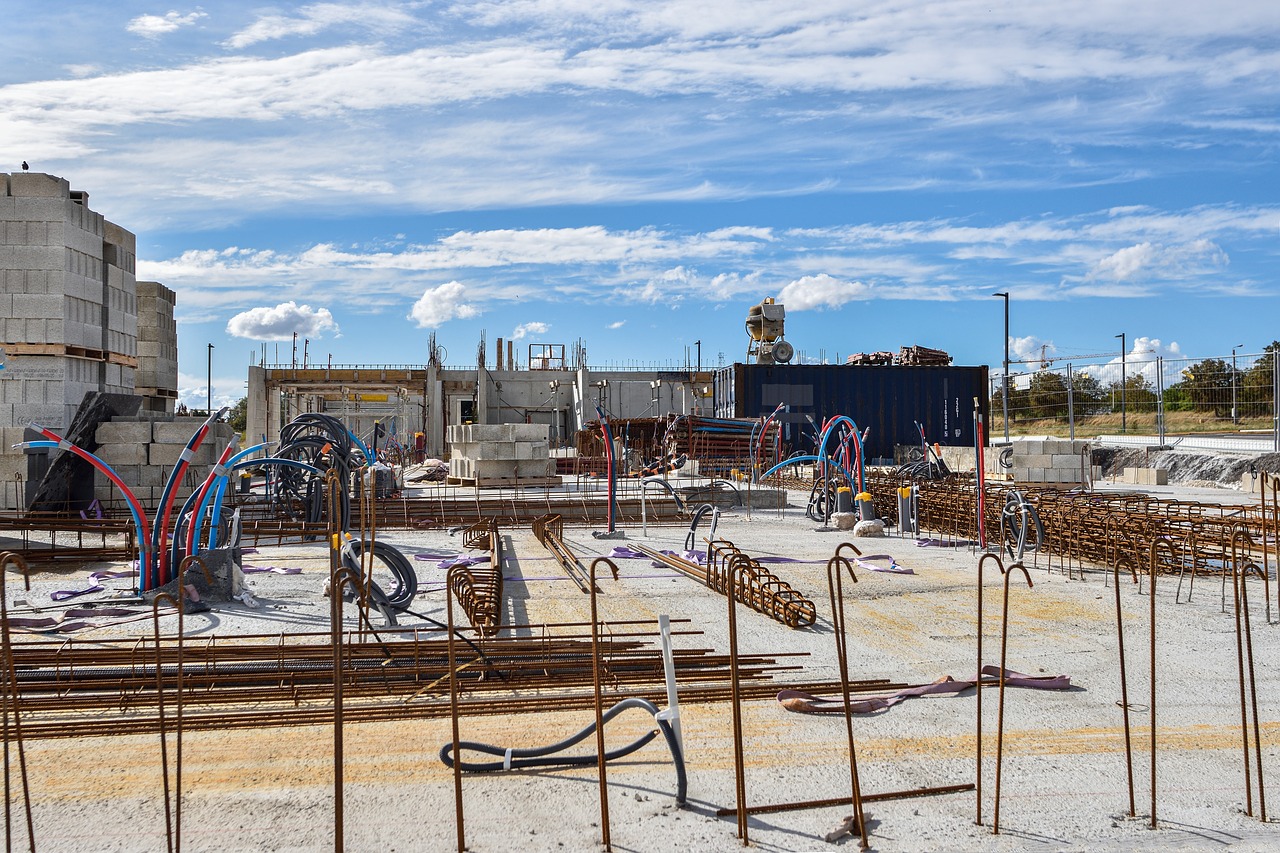
In the vibrant community of Townfield, efficient ADU (Accessory Dwelling Unit) design is not just about maximizing space; it's about enhancing the quality of life for residents and fostering a stronger, more connected neighborhood. For ADU plan submission, our local experts emphasize the importance of space optimization, especially in smaller yards common to this area. The key lies in creating multi-functional spaces that cater to the diverse needs of Townfield residents.
Local contractors have mastered the art of budget-friendly ADU construction, ensuring these additions are both cost-effective and tailored to the community's unique character. Compact furniture and clever storage solutions allow for flexible living, transforming these units into anything from home offices to cozy guest rooms. This versatility is particularly beneficial in our dynamic community, where families and individuals alike seek adaptable living spaces. By prioritizing these design elements, Townfield's ADUs become integral parts of the neighborhood, promoting a sense of community and shared living.
When embarking on an ADU plan submission, engaging with licensed local contractors is a strategic move. These professionals not only ensure compliance with stringent building codes but also offer valuable insights into material substitutions and potential weather delays. Many residents opt for affordable ADU plan submission services, recognizing the importance of a well-planned, budget-friendly design. By collaborating closely with contractors, homeowners can navigate the complex process, ensuring their ADU additions align with both their needs and the community's vision. This local approach to ADU plan submission fosters a sense of ownership and pride, contributing to Townfield's reputation as a forward-thinking, community-focused neighborhood.
Navigating Zoning Laws: ADU Plan Submission Made Easier
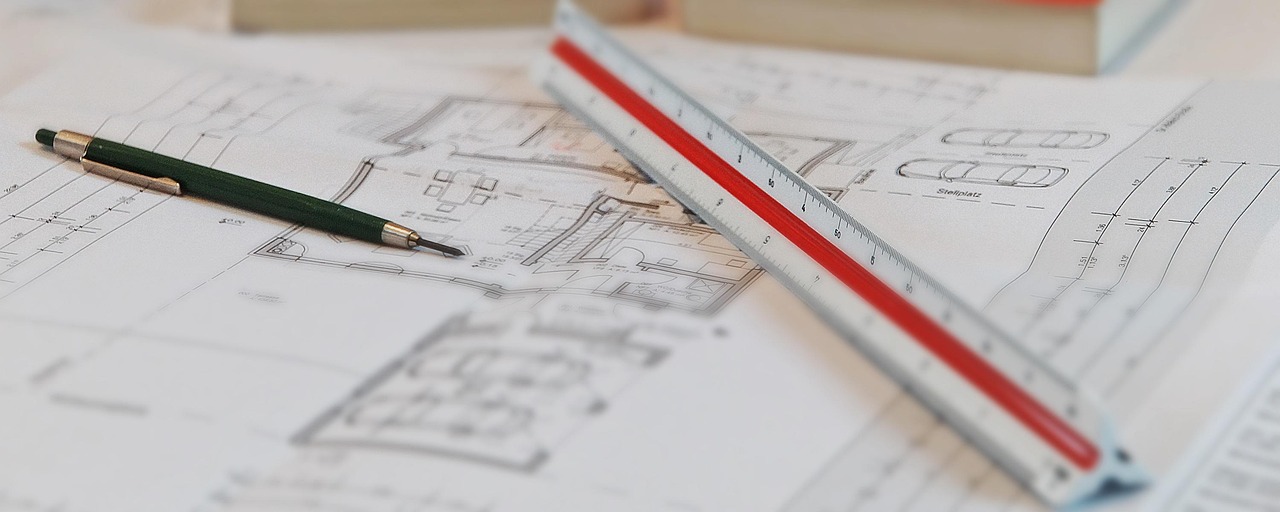
Navigating the complex world of zoning laws can be a daunting task for anyone looking to submit an ADU plan in our community. The local authority, in collaboration with townfield notes, has established guidelines that ensure the seamless integration of Accessory Dwellings Units (ADUs) into our neighborhoods. The key to a successful submission lies in understanding these regulations and working with reliable local contractors who are adept at navigating the process.
The zoning laws in our area often dictate the size, placement, and functionality of ADUs, with many historic homes requiring special consideration. This is where experienced contractors come in-they can offer valuable insights on design and construction, ensuring your ADU plan complies with all local building codes. Material substitutions and weather delays are common challenges, and licensed contractors are best equipped to handle these situations, providing transparency and flexibility throughout the project.
One of the community's best practices is to engage with local contractors who have a proven track record of successful ADU installations. Positive reviews from satisfied neighbors can be invaluable resources for understanding what to expect during the plan submission process. The local market for ADU construction is thriving, with a growing number of reliable contractors who specialize in these projects. By choosing a reputable local contractor, you can streamline the ADU plan submission process and ensure your expansion adds value and harmony to our diverse community.
Community Engagement: Building Support for Your ADU Project

In any community, a well-planned Additional Dwelling Unit (ADU) can bring multiple benefits, from increased housing options to enhanced neighborhood character. However, navigating the ADU plan submission process can be complex, especially for first-timers. Building support for your ADU project starts with understanding the local landscape.
In our town, the growing demand for ADUs reflects a broader trend towards more sustainable and affordable housing solutions. According to recent market data, there's a consistent increase in ADU installations, with most projects taking one to two days. The key to a successful plan submission lies in community engagement. It's essential to connect with neighbors early on to address concerns and gather support. In a historic neighborhood, an ADU can be a sensitive addition, requiring careful consideration of local building codes and architectural styles. Engaging with local contractors who specialize in these projects can help ensure compliance with both building codes and historical preservation guidelines.
The planning and legal requirements for ADU plan submission vary based on local authority and building codes. Townfield Notes, a local resource for contractors and homeowners, offers valuable insights into these processes. They emphasize the importance of meticulous planning, especially for budget-friendly ADU construction, where material substitutions and weather delays can significantly impact the timeline. To streamline the process, licensed contractors often work closely with the local authority to ensure every detail aligns with the planned ADU permit application. Engaging with the community and adhering to local guidelines not only expedites the plan submission but also fosters a positive relationship with neighbors, setting the stage for a successful ADU project.
Local Contractors: Finding Reliable Help for ADU Construction
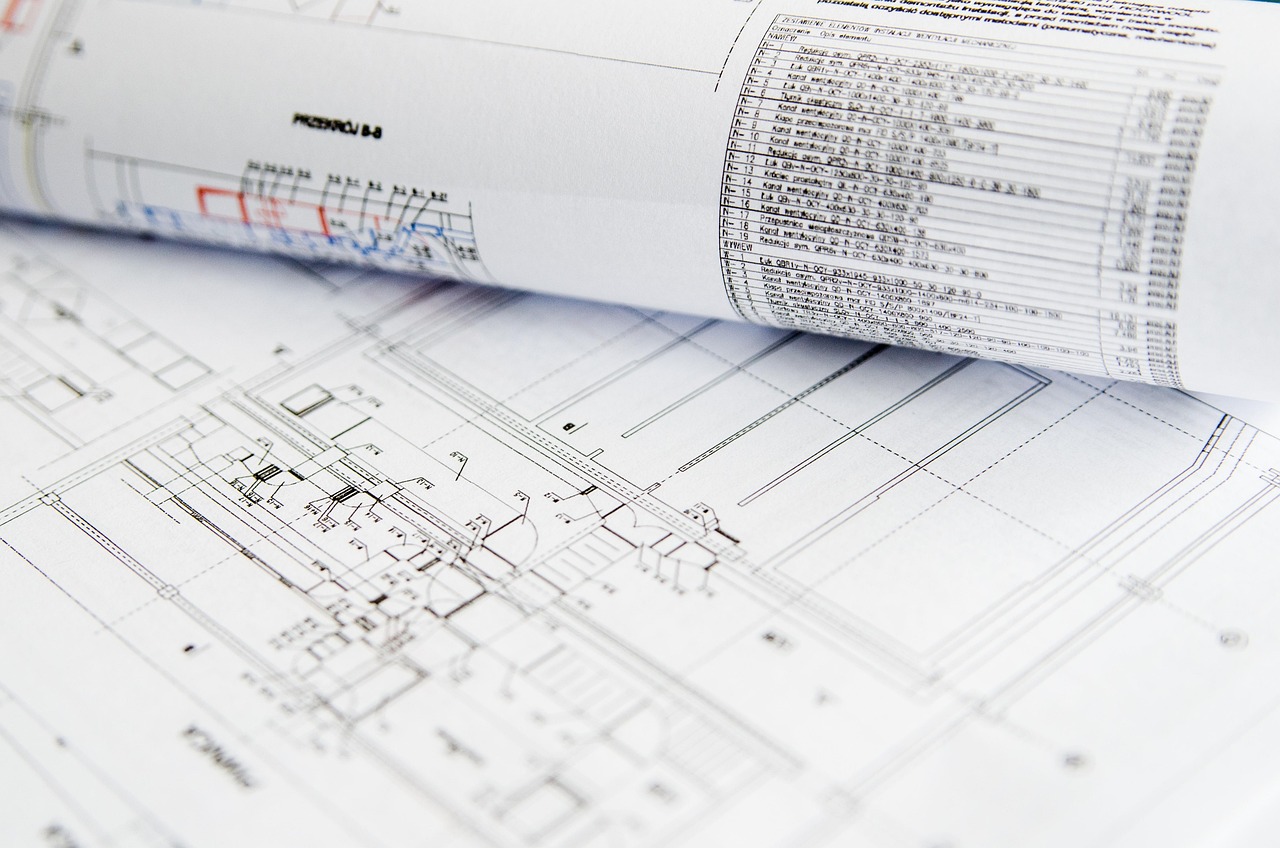
When examining the world of ADU plan submission, finding reliable local contractors is a crucial step. In our community, the demand for accessible housing solutions has sparked a growing market for skilled professionals who understand the unique challenges of these projects. Many homeowners are turning to licensed ADU plan submission experts who not only navigate the complex local building codes and regulations but also ensure a smooth construction process.
One of the key benefits of working with local contractors is their expertise in handling the specific ADU building codes and regulations that vary from neighborhood to neighborhood. Historic homes in certain areas present unique considerations that require contractors familiar with preserving these architectural gems while adding modern amenities. Our local market data shows that projects involving historic homes often require specialized skills and a deeper understanding of the community's cultural heritage. Engaging with contractors who specialize in these types of installations ensures both compliance and a harmonious blend of old and new.
Effective communication is another vital aspect. Local contractors who specialize in ADU construction are attuned to the needs and concerns of nearby residents. They prioritize open dialogue, addressing weather delays, material substitutions, and other potential issues proactively. In our community, some contractors have forged strong relationships with local suppliers, enabling them to secure materials quickly and minimize delays, a common challenge in our compact yards and bustling streets. By fostering these connections, contractors can offer more efficient and cost-effective services.
Engaging with local contractors who specialize in ADU plan submission not only ensures adherence to building codes and regulations but also contributes to the community's unique character. Their expertise, responsiveness, and commitment to local practices make them invaluable partners in creating accessible and sustainable living spaces tailored to our community's specific needs and preferences.
ADU Plan Submission: Step-by-Step Guide for Success

For many homeowners in our community, the idea of expanding their living space through an Additional Dwelling Unit (ADU) is an attractive prospect. However, navigating the process of ADU plan submission can be daunting. This step-by-step guide aims to demystify the process and ensure a successful application.
The first step in any ADU project is to review the local building codes and Townfield Notes. These resources outline specific requirements and restrictions, ensuring your plan aligns with the community's guidelines. It's crucial to consult with reliable local contractors who can provide expert advice and help prepare detailed plans. They will guide you through the necessary permits, including the planned ADU permit application, and offer insights into potential material substitutions and construction challenges.
Affordability is a key consideration for many, and efficient planning can make a significant difference. Start by seeking reliable adu contractors reviews to find experienced professionals who offer competitive pricing. Engaging with contractors early allows for flexibility in the design process. Compact furniture and multi-functional spaces can maximize small yards, a common feature in our neighborhood. This approach not only respects local building codes but also creates a practical and cost-effective design.
Communication is key throughout the process. Keep an open line with your contractor and the local authority to address any weather delays or unforeseen issues promptly. Remember, a successful ADU plan submission requires thorough preparation, local knowledge, and a reliable support network. By following these steps and leveraging the expertise of your community, you can turn your ADU vision into a reality.
Local Business FAQ About Unraveling the Complexities: A Beginner's Guide to ADU Plan Submission
What are the primary local regulations for ADU (Accessory Dwelling Unit) construction? Understanding local building codes and zoning regulations is crucial. Every municipality has its own set of rules for ADU construction, focusing on safety, privacy, and neighborhood integration. Check with your local building department for detailed guidelines. Adhering to these ensures your project complies with community standards, minimizing delays and legal issues.
How do I ensure my ADU plan aligns with local aesthetic guidelines? Community aesthetics matter. Review your neighborhood's design guidelines and consult with architects or designers who understand the local context. Aim for a design that blends harmoniously with surrounding structures, respecting the character of your neighborhood. This approach fosters community acceptance and adds value to your property.
What local contractors specialize in ADU construction? Engaging experienced contractors who specialize in ADU projects is key. Look for professionals who have a proven track record in your area, understanding local building practices and permit processes. These experts can guide you through the entire process, ensuring a seamless and compliant build.
How long does the ADU plan submission process typically take? The timeline varies based on project complexity and local bureaucracy. Most ADU plan submissions take one to two weeks for initial review, followed by potential permit issuance or requests for modifications. Being prepared with all required documents can expedite the process. Keep in mind that construction itself may extend beyond the plan submission phase.
What financial assistance or incentives are available for ADU construction? Explore local programs offering financial support for ADU projects. Some communities provide grants or low-interest loans to encourage housing solutions. These incentives can offset construction costs, making ADU a more viable option. Check with your city hall or local housing authority for available programs and eligibility criteria.
How do I navigate the local permit application process? The permit application process involves gathering necessary documents and submitting them to the appropriate local authority. Your contractor or architect can assist in preparing these. Be sure to understand the required documentation and fees to ensure a smooth application. Promptly addressing any issues during the review process can speed up approval.
Revitalizing Urban Living Spaces: A Success Story of ADU Integration
Local Challenge
Many residents, particularly young professionals and retirees, sought more independent living arrangements within the city limits. However, the process of submitting plans for Accessory Dwelling Units (ADUs) was complex and often deterred would-be developers. Red tape, unclear guidelines, and a lack of awareness about the benefits of ADUs contributed to a slow adoption rate, leaving countless potential units untapped.
Local Solution
The strategy involved several key moves:
- Simplified Application Process: Officials redesigned the application form to be more intuitive and user-friendly, breaking down complex sections into clear, step-by-step processes.
- Community Workshops: Free educational workshops were organized in diverse neighborhoods to inform residents about the benefits of ADUs, dispel myths, and provide guidance on the planning process.
- Collaborative Platform: A dedicated online platform was developed, allowing applicants to upload documents, track their application's progress, and access resources, ensuring transparency and efficiency.
- Regulatory Alignment: City planners worked closely with local contractors and developers to ensure building codes and zoning regulations were compatible with ADU installations, reducing potential delays.
Community Impact
The results were remarkable.
- Diversified Neighborhoods: ADUs added a vibrant mix of ages, backgrounds, and lifestyles to various neighborhoods, enhancing community diversity and social cohesion.
Quick Reference
-
Engage with Local Planning Boards: Attend community meetings and workshops to understand zoning regulations and ADU (Accessory Dwelling Unit) approval processes specific to your area.
-
Network with Local Contractors: Collaborate with experienced builders and designers who specialize in ADU construction, ensuring a seamless and compliant build.
-
Offer Community Workshops: Educate residents about ADU benefits, demystifying the planning process and encouraging local economic growth.
-
Partner with Local Schools: Sponsor field trips or workshops to showcase ADU projects, inspiring young minds to pursue construction and design careers.
-
Promote Local Businesses: Feature local suppliers and service providers in your ADU project showcases, fostering a strong sense of community support.
-
Establish Community Funding Programs: Partner with local banks or credit unions to offer low-interest loans for ADU projects, making home improvements more accessible.
-
Organize Neighborhood Information Sessions: Host regular events to discuss ADU possibilities, address concerns, and provide a platform for local residents to share ideas.
-
Collaborate with Local Seniors: Design ADUs that cater to the needs of aging in place, enhancing community living and intergenerational connections.
As you've navigated through this guide to ADU plan submission, it's clear that engaging with your community is key to a successful project. By understanding local regulations, like those discussed in "Understanding ADU Permits: Local Regulations Demystified," and incorporating community benefits into your design, as highlighted in "Efficient ADU Design: Maximizing Space for Community Benefits," you can create valuable additions to your neighborhood.
Navigating zoning laws, as explored in "Navigating Zoning Laws: ADU Plan Submission Made Easier," is essential for a smooth process. Engaging with local contractors, as suggested in "Local Contractors: Finding Reliable Help for ADU Construction," ensures your project meets safety standards and is built to last.
When submitting your ADU plan, follow the step-by-step guide in "ADU Plan Submission: Step-by-Step Guide for Success" to ensure accuracy. Remember, effective communication with your local authority and community can help overcome potential delays due to weather or material substitutions, as discussed in "Contractor and Community Considerations."
By embracing these strategies, you're not just adding an unit; you're contributing to a vibrant, diverse, and well-supported local community. Let's work together to enhance our neighborhood, one ADU plan submission at a time.
ADU Plan Submission in Townfield: A Local Guide
In Townfield, navigating ADU (Accessory Dwelling Unit) permits requires understanding local building codes and engaging reliable contractors. Start by reviewing the comprehensive Townfield Notes for specific regulations. Consult licensed contractors experienced in ADU installations to ensure compliance and streamline the process. Focus on space optimization, budget-friendly designs, and community engagement for successful ADU plan submissions. Local market data shows growing demand and efficient projects, with many contractors offering transparent support for weather delays and material substitutions. This local approach ensures ADUs enhance the community's character and living spaces while adhering to regulations.